
Plywood is not a second-rate material
We see it quite often. When people hear the word "plywood," they sometimes look down on it. They see it as a cheap substitute, something inferior meant for the backs of cabinets, and consider only solid wood to be the "real" material. But the reality in modern design is completely different. Plywood is not a compromise.
So, what actually is it? Plywood is made by layering thin sheets of clean wood (veneers) crosswise over each other. And that cross-graining is exactly where the magic lies.
In relation to its weight, plywood has excellent mechanical properties. It allows us to design subtle, lightweight structures that can easily carry a massive load.
Plywood has a beautiful wood grain on the surface, but it also has its own characteristic edge. We don't hide the lines of the individual wood layers. On the contrary—the exposed edge of plywood is a great visual detail.
When you look at history, the greatest icons of modern design—whether we are talking about projects by Charles and Ray Eames or the furniture of Alvar Aalto—are made of plywood. Architects and designers have always loved it because it allowed them to achieve shapes and subtlety that would be hard to manage with a single piece of solid wood.
At Master & Master, we build a substantial part of our products from plywood. If we wanted to cut corners, we would use laminate. But we want to manufacture from quality materials. Plywood simply isn't an inferior wood.


Featured products
- Shelf One
![Shelf One]()
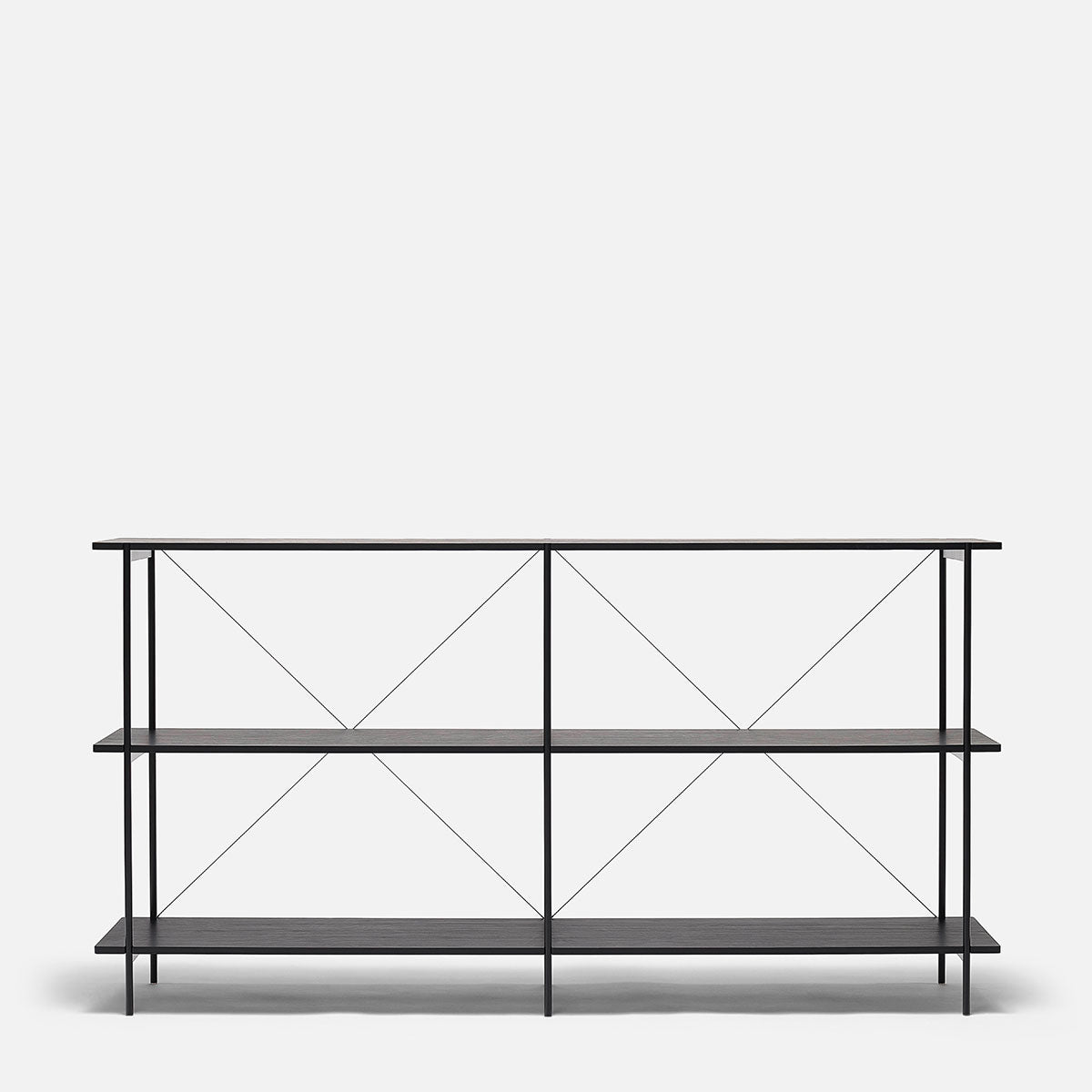 Freestanding shelving unitFrom 388 €
 - Wall Shelf One
![Wall Shelf One]()
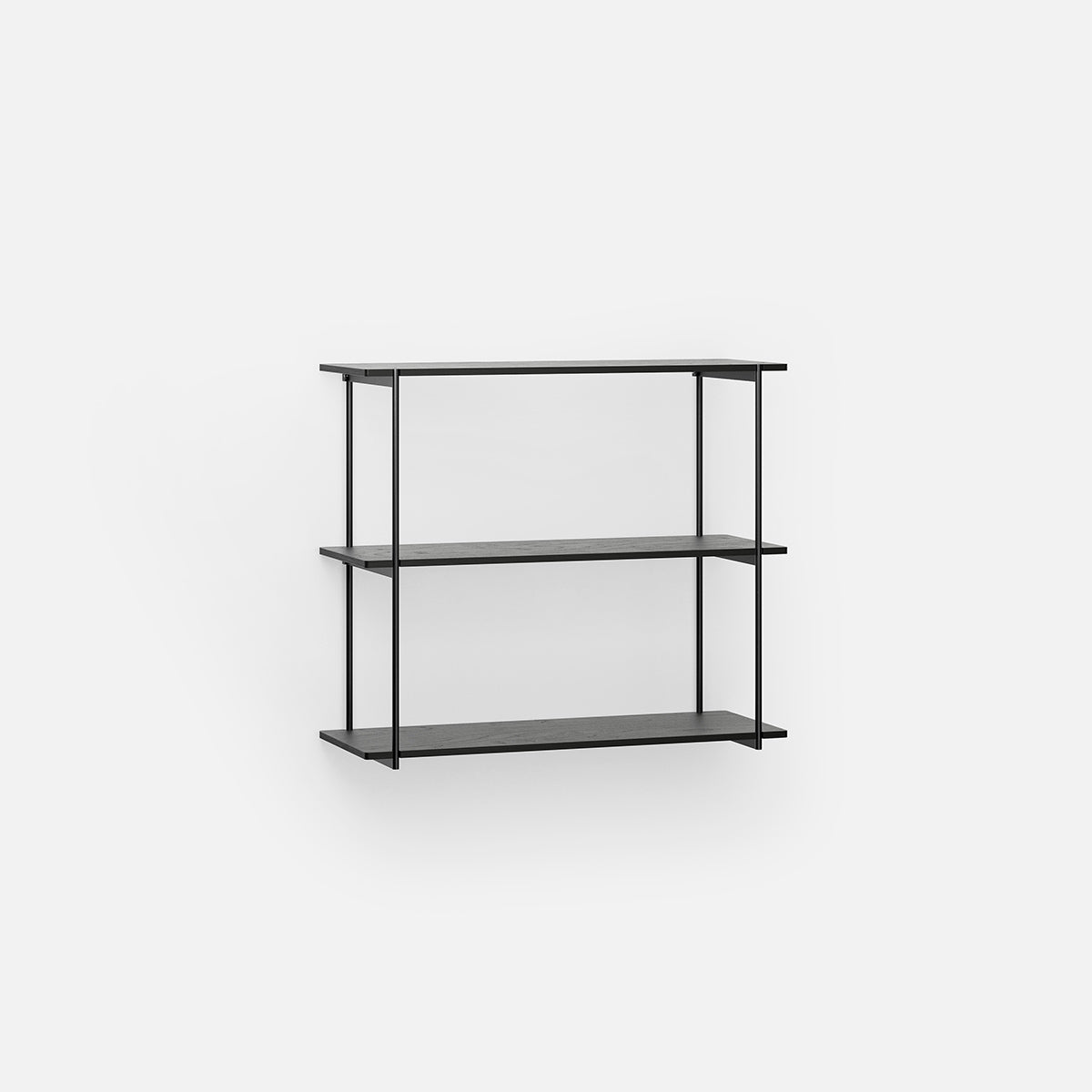 Wall-mounted shelfFrom 192 €
 - Cabinet One
![Cabinet One]()
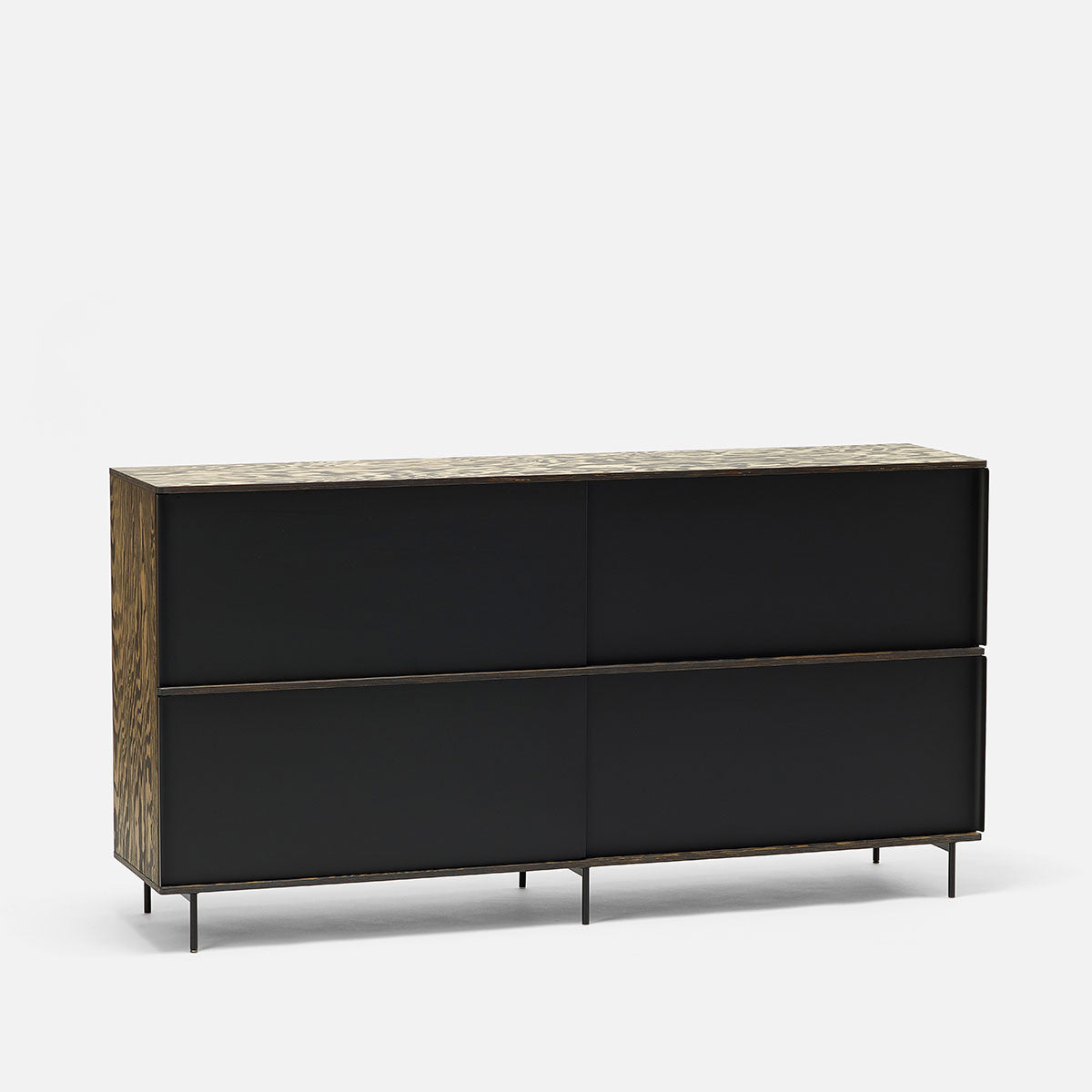 Sideboard with sliding doorsFrom 748 €
 - Mistra
![Mistra]()
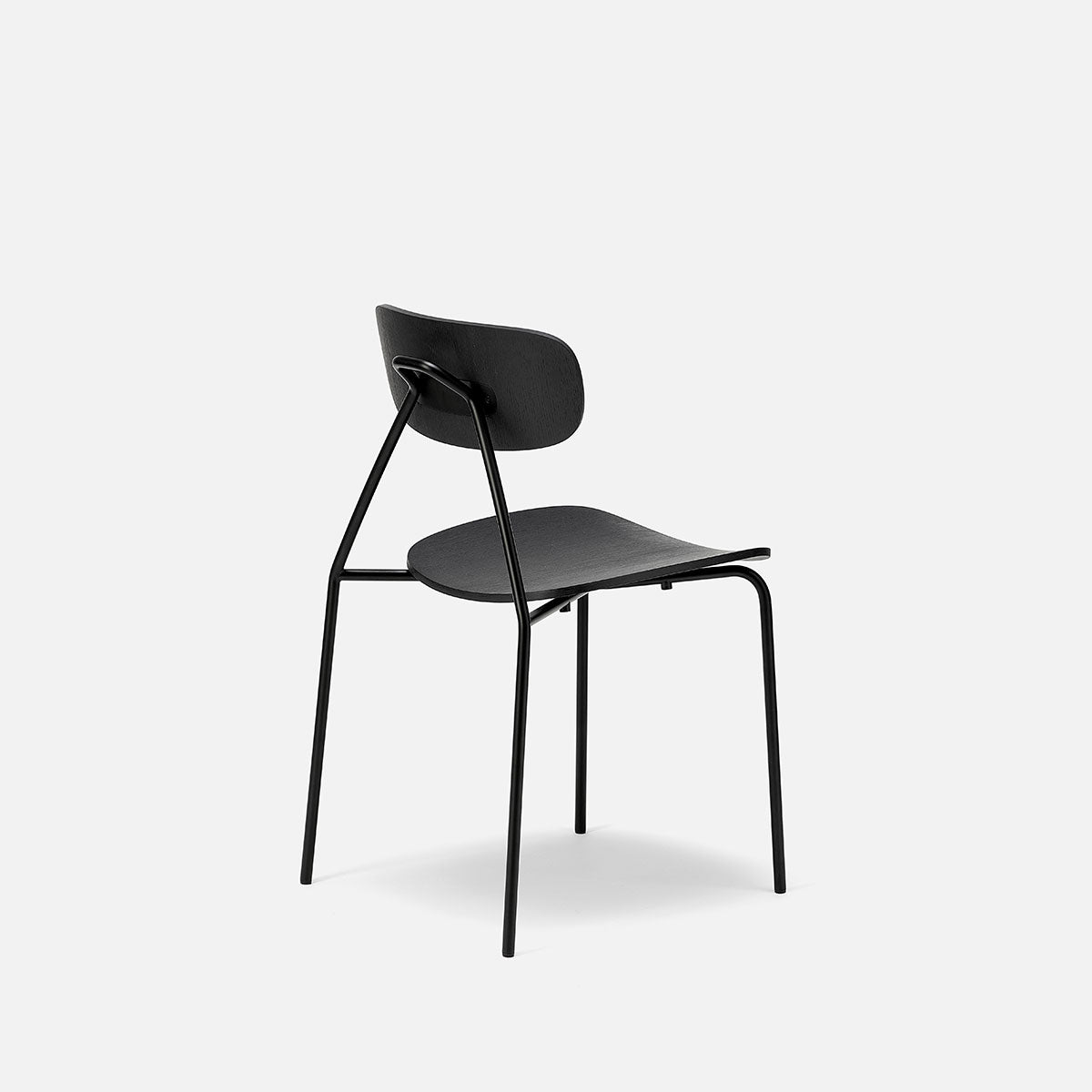 Stackable chair with handleFrom 409 €
 - Cocon Lounge Chair
![Cocon Lounge Chair]()
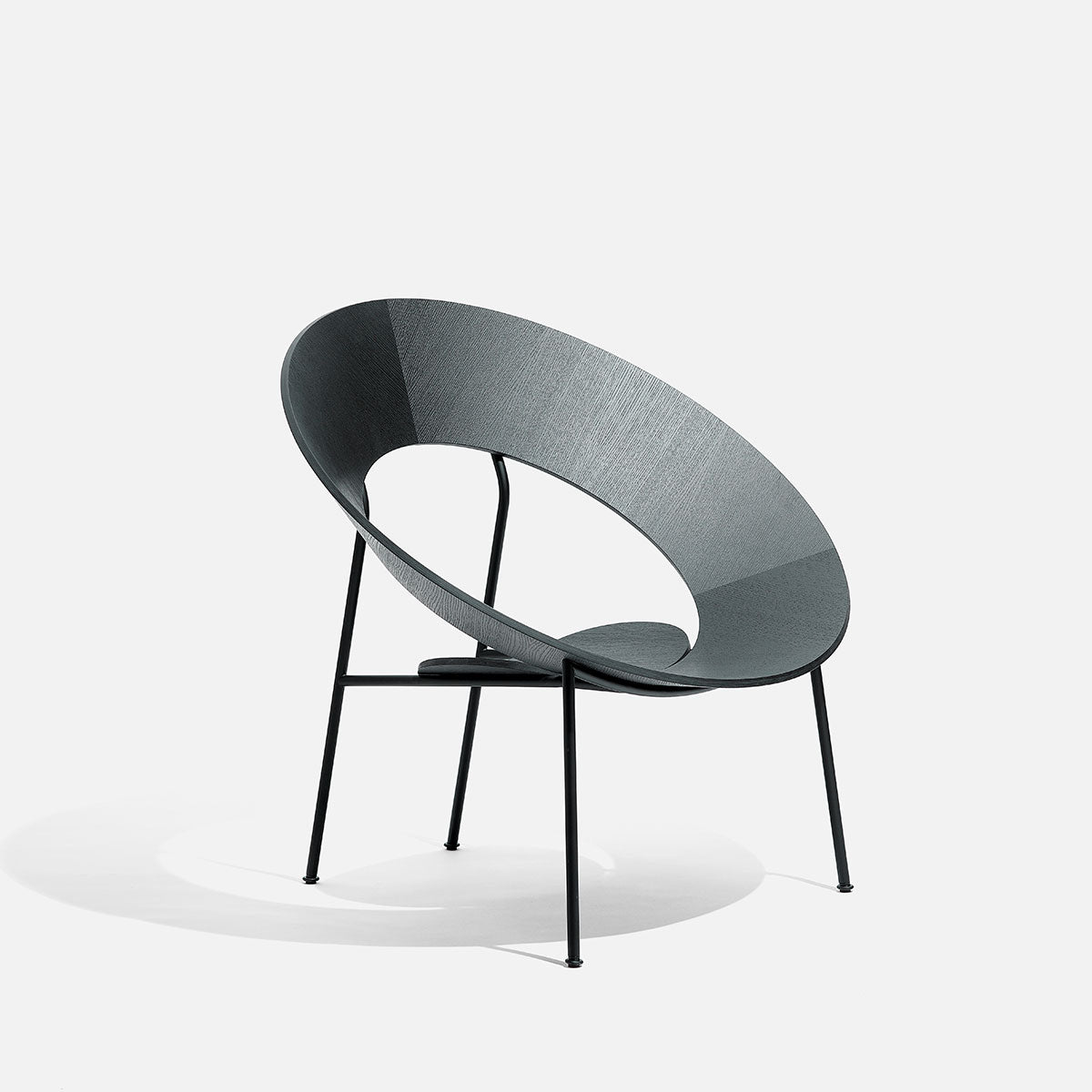 Circular lounge chair in molded plywoodFrom 1201 €
 - Cocon Table Linear
![Cocon Table Linear]()
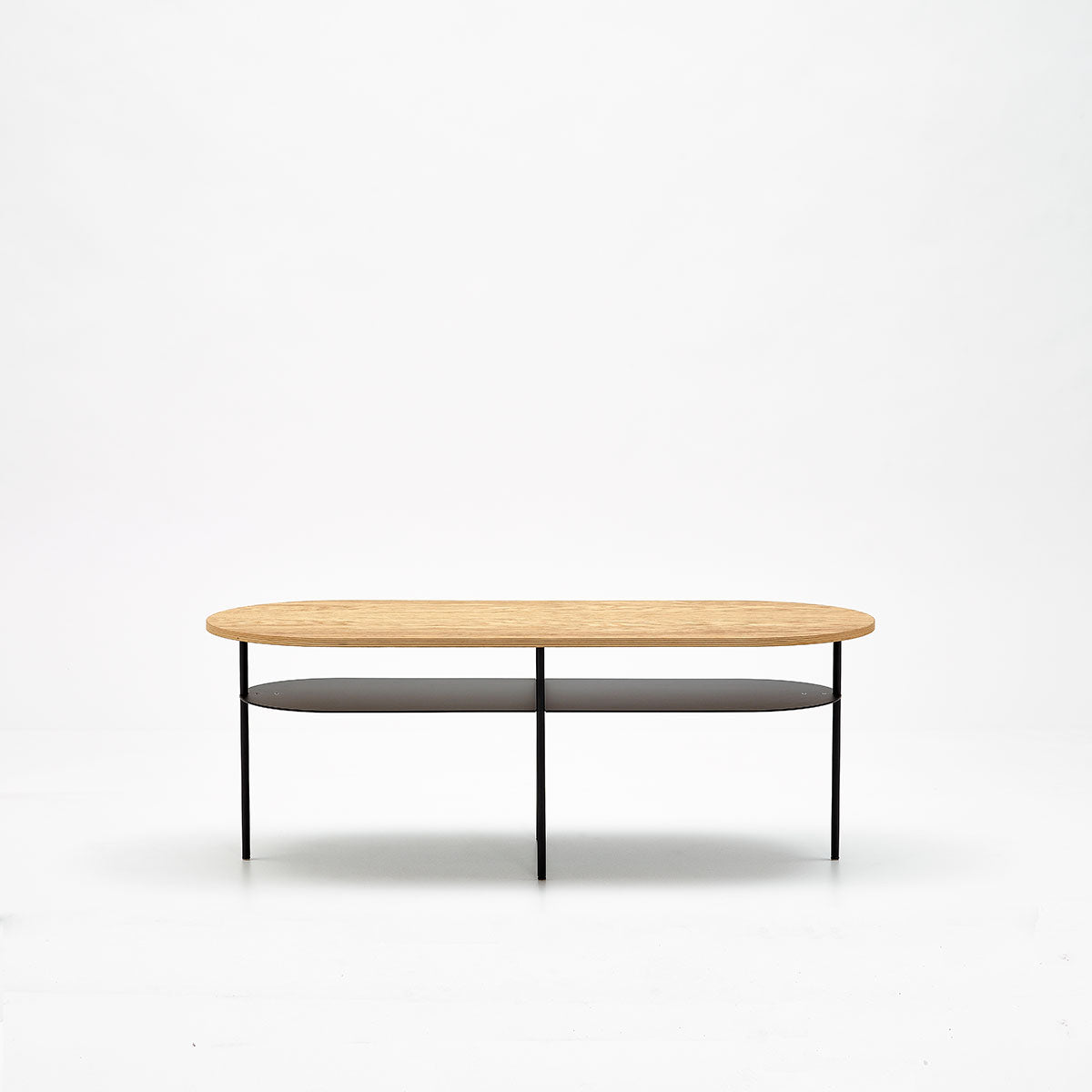 Oval coffee table with storage shelfFrom 496 €


